
The Role of Physical Therapy in Enhancing Cardiac Health

 Why do you need cardiovascular physical therapy? Your doctor may suggest neuro occupational therapy after an illness or injury and monitor your development. Lifestyle adjustments that focus on increased heart-healthy physical activity benefit the recovery from heart failure and enhance quality of life. This does not always mean engaging in intense cardio and strength training immediately. Altering your diet and decreasing your stress levels will be recommended with a specific fitness program and physical treatment.

Medical assessments are the first step in creating a neuro occupational therapy  personalized nutrition and food plan for patients. Possible suggestions from a physiotherapist are as below:

      Limited-impact exercises with a limited potential for harm, practiced three times a week at most.

      Understanding the importance of a good warmup and cooldown.

      Resistance exercise using relatively modest weights to build muscle.

      Cardiovascular physical therapy therapists will tailor a program to the patient's existing skills and progress more leisurely if the patient does not regularly engage in physical activity.

Cardiovascular physical therapy helps patients in the short and long term by allowing them to:
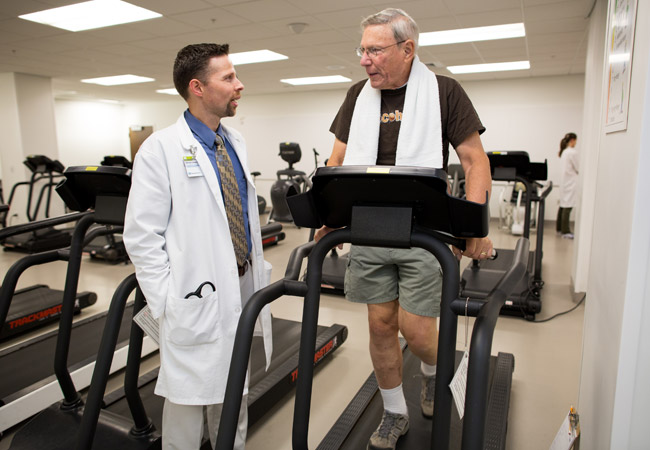
      Regain physical and emotional strength after a cardiac event.

      Improving cardiac symptoms such as chest pain.

      Improving physical fitness so routine activities like carrying groceries and ascending stairs become easier.

      An increased propensity to use prescribed anti-CVD drugs.

      Preventing future cardiac-related illnesses and fatalities.

Cardiological Treatment Risks

Cardiac rehabilitation has minimal drawbacks but significant benefits. Although most cardiac rehabilitation programs encompass lifestyle modifications, coping with stress and depression, and proper diet, some patients may have severe illnesses and cannot engage in most forms of exercise. Yoga, a slower and more moderate exercise, may still be an option.  Patients needing this treatment can access excellent outpatient options in skilled nursing facilities.

Conclusion

Working with your physical therapist may monitor and educate you about the exercises most beneficial for your specific circumstances. You may acquire confidence via individual and group exercise, and a physical therapist's supervision guarantees that you are safely building up your exercise tolerance.  The Main Street Physical Therapy Clinic is open for cardiac rehabilitation before or after a patient is discharged from the hospital.


Comments

Popular posts from this blog

Finding the Perfect Fit: Selecting the Best DPT Therapist in Nassau, NY

  Nassau, NY is home to a diverse array of physical therapy clinics, each offering a unique set of services and specialties. When it comes to selecting the best dpt therapist in nassau ny for your needs, it's essential to consider various factors to ensure you find the perfect fit. In this guide, we'll explore the key considerations to keep in mind when choosing a DPT therapist in Nassau, NY. Qualifications and Credentials: The first step in finding the right DPT therapist is to verify their qualifications and credentials. Look for therapists who have completed a Doctor of Physical Therapy program from an accredited institution and hold a valid license to practice in New York state. Additionally, consider therapists who have pursued additional certifications or specialized training in areas relevant to your specific needs, such as sports injuries, orthopedics, or neurological conditions. Experience and Expertise: Experience plays a crucial role in determining the effectiveness...

Optimal Recovery: Physical Therapy Solutions in Queens

Physical therapy is a crucial component in the journey to optimal recovery, particularly for those dealing with injuries, chronic pain, or post-surgical rehabilitation. In Queens, New York, the landscape of physical therapy queen is robust and diverse, offering a range of services tailored to meet the unique needs of its residents. This article explores the key aspects and benefits of physical therapy solutions available in Queens, highlighting how these services contribute to optimal recovery. Comprehensive Assessment and Personalized Treatment Plans One of the standout features of physical therapy in Queens is the comprehensive assessment that forms the foundation of personalized treatment plans. Physical therapists in this area conduct thorough evaluations, considering the patient's medical history, current physical condition, and specific recovery goals. This approach ensures that each treatment plan is tailored to address the individual’s needs, promoting a more effective and...

Enhancing Quality of Life: Effective Neurological Therapy Techniques

  Living with a neurological condition can be incredibly difficult, affecting every part of your life. People experiencing neurological therapy often face significant barriers, from dealing with symptoms to remaining independent. But amidst these difficulties there is also reason for hope. Recent advances in neurological therapy offer new opportunities to improve the lives of those affected. Harnessing the Power of Technology: Neurostimulator and Beyond One exciting development is the use of technology, particularly neurostimulator devices. These devices deliver targeted electrical stimulation to specific parts of the brain or nervous system, providing relief from symptoms of conditions such as Parkinson's disease, epilepsy and chronic pain. Devices such as deep brain stimulation (DBS) have been particularly effective in reducing tremors and rigidity, significantly improving the quality of life for many people. Robotic Rehabilitation: The Path to Recovery Integrating robotics into...